
"a large number of species"
1000 article(s) found

A brief introduction to the cultivation of fresh-flavored Ugandan boutique coffee beans, geographical location, climate and altitude
Ugandan coffee is mainly exported to the European Union, of which Germany, Italy and other countries are the largest buyers of coffee. Uganda is the country of origin of coffee grown in Robusta, but commercial cultivation of Arabica species here did not begin until early 1900. Today, there are still a large number of wild robusta coffee trees in Uganda, which is rare in cities in the world. As a landlocked country, Uganda
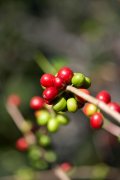
What's the aroma of coffee? Caramelization and Mena reaction during coffee roasting
Boutique coffee beans must be excellent varieties, such as the original bourbon species, mocha species and Tippica species. The coffee beans produced by these trees have unique aroma and flavor, which is far from that of other tree species, but the relative yield is low. in recent years, in order to pursue the ability of disease and insect resistance and increase the yield, there have been many improved tree species, such as the massive promotion of high-yield rurial11 species in Kenya.

The main producing areas of coffee and the characteristics of strict selection of beans with high quality
The main producing areas and the characteristics of strict selection of beans at present, due to the wide variety of imported coffee beans from all over the world, it is impossible to choose. Here, we will introduce the main producing areas and the characteristics of coffee beans as a reference for you to choose and buy coffee. * Brazil (South America) is the world's number one coffee producer and exporter. Because it is distributed all over the country, the quality of the good and the bad varies, and it has its own.
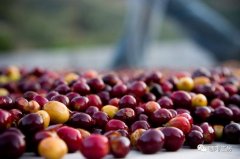
Introduction to the subclassification of common coffee varieties in cafes
For the exchange of professional baristas, please pay attention to the coffee workshop (Wechat official account cafe_style) coffee beans are divided into three original systems: Arabica coffee beans, also known as Arabica coffee beans, robusta coffee beans, also known as Congo coffee beans, Libyan coffee beans, also known as Liberian coffee beans, there are more than a hundred common cultivated species in the world today, mostly belonging to three original systems and several hybrids.

Opinions on the selection of defective coffee beans
Anyone who has baked coffee knows that no matter how good the boutique manor coffee is, even the COE award-winning coffee will inevitably be mixed with a small amount of defective beans. So sometimes in pursuit of a better flavor, roasters pick up coffee beans that are noticeably flawed before or after roasting. Ethiopia is the hometown of coffee, and there are still a large number of native species of coffee.
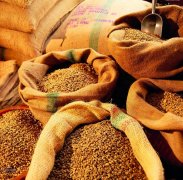
Knowledge of coffee botany basic knowledge of fine coffee
According to the botanical description of coffee: coffee is Rubiaceae, coffee genus, perennial evergreen shrubs or small trees. There are more than 60 types of coffee classified, but there are roughly two varieties of coffee grown commercially on a large scale, one is Arabica, accounting for about 70 percent of the world's coffee planting area, and the other is Robasta, accounting for about 30 percent of the world's coffee planting area. According to our country
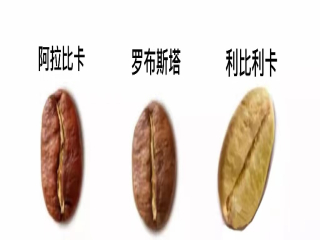
Liberica coffee beans introduce in detail the three major coffee varieties, libilica large-grained coffee, why no one grows it.
We have three common native species of coffee, namely, Arabica, Robusta, and Liberika. Coffee trees are evergreen shrubs or small trees of the Rubiaceae family. They grow in the tropics and subtropics. Coffee trees have white tube-shaped flowers that look like jasmine and give off the fragrance of jasmine. Today
Boutique coffee specialty coffee coffee bean variety
Abstract: coffee trees are generally divided into three categories: Arabica species, Robesta species and Liberika species. With regard to the cultivation of crops, seed selection is a very important factor. Every year, agronomists are studying higher quality and higher yield varieties of wheat, soybeans and corn, as well as how to make apples more delicious, beautiful and resistant to diseases and insect pests. in fact, the same is true of coffee.

What are the requirements for the growing conditions of coffee beans? Is there anything particular about planting? How do you plant it?
Professional coffee knowledge exchange more coffee bean information Please pay attention to the coffee workshop (Wechat official account cafe_style) what are the requirements for the growing conditions of coffee beans? Is there anything particular about planting? How do you plant it? VS Coffee lovers will study how to roast and grind coffee beans, but they seldom delve into how coffee beans are grown. The coffee tree was originally

Introduction to the flavor characteristics of Indonesia Jiayu native species long bean what is Indonesian long bean Longberry
Indonesia Jiayu original species long bean producing area: Jiayu area, Aceh Province, altitude: 1100-1300 m varieties: long bean longberry treatment method: wet planing method treatment flavor reference: rich tropical fruit flavor, Hami melon fruit aroma, high sweetness, solid mellow thickness. Indonesia, a large archipelago country made up of many volcanic islands, is born with an excellent coffee growing environment.

Coffee botany knowledge-Malaysia Coffee City White Coffee
According to the botanical description of coffee: coffee is Rubiaceae, coffee genus, perennial evergreen shrubs or small trees. There are more than 60 types of coffee classified, but there are roughly two varieties of coffee grown commercially on a large scale, one is Arabica, accounting for about 70 percent of the world's coffee planting area, and the other is Robasta, accounting for about 30 percent of the world's coffee planting area. According to our country

Tanzania coffee bean varieties Tanzania boutique coffee bean varieties SC3, SC11 and SC14
Species of coffee beans in Tanzania, local coffee species: in the past, the coffee species commonly used in Tanzania are Bourbon (N.39) and Kents (KP 423). However, due to the low insect resistance and disease resistance of these two coffee varieties, the coffee quality can not meet the requirements of high-quality coffee, not to mention the world-famous UTZ and Fair trade certification. With the new technology of growing coffee beans

Select defective coffee beans in pursuit of better flavor
Anyone who has baked coffee knows that no matter how good the boutique manor coffee is, even the COE award-winning coffee will inevitably be mixed with a small amount of defective beans. So sometimes in pursuit of a better flavor, roasters pick up coffee beans that are noticeably flawed before or after roasting. Ethiopia is the hometown of coffee, and there are still a large number of native species of coffee.

What kind of coffee beans are heirloom? Landrace Coffee, Ethiopia
Professional coffee knowledge exchange More coffee bean information Please pay attention to coffee workshop (Weixin Official Accounts cafe_style) The real meaning of native species This word represents the ancient varieties of plants that are originally planted for consumption. Some people define varieties that are more than 100 years old to be called native species. Others say
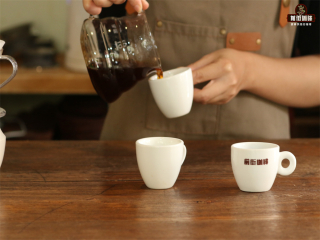
Yunnan Tiekka Coffee Flavor Description Processing Method Characteristics Variety Producing Area Taste Introduction
Yunnan coffee beans can rely on this national strategy to change the transportation mode of coffee raw materials from Malacca Strait to land transportation from Yunnan to Xinjiang to Europe, which can not only save 1/3 of the transportation time, but also alleviate the problems such as coffee moisture caused by sea transportation. You can use this thread

Description of coffee flavor characteristics of Salvadoran coffee planting and production areas of coffee
Salvadoran coffee refers to the coffee produced in the small South American country of El Salvador, where the coffee body is light, aromatic, pure, slightly sour, the flavor is extremely balanced, is a specialty of Central America. With sour, bitter, sweet and other taste characteristics, the best baking degree is moderate, deep. In the early 1990s, guerrilla warfare greatly damaged the country's national economy, increasing coffee production from the early 1970s.

A brief introduction to the Market Price of High-altitude extra hard Bean St. Roman Manor Fine Coffee Bean varieties
Other kinds of Brazilian coffee, such as Rio and Parana, can be produced in large quantities because they do not require too much care. Although the taste is rough, it is a kind of high-quality and inexpensive coffee, which has its own standards because it is distributed all over the country and its solid quality varies (NO.2NO.8 according to the number of sundries, NO.13NO.19 according to the size of beans, six grades according to taste).

What is Arabica mother coffee? Introduction to Arabica Coffee varieties
Professional coffee knowledge exchange more coffee bean information Please pay attention to the coffee workshop (Wechat official account cafe_style) Coffee can be divided into three main varieties, namely, Arabica (Coffea arabica), Robusta Coffea canephora (Robusta) and Coffea liberica. Arabica is the main force of boutique coffee, suitable for growing at higher altitude
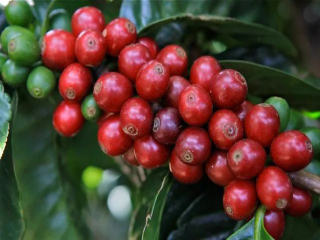
Liberica Coffee Bean knowledge: the characteristics of Liberian Coffee beans of the three original species of Coffee beans
Professional coffee knowledge exchange more coffee bean information please follow the coffee workshop (Wechat official account cafe_style) Liberica coffee, also known as big fruit coffee, some people mistakenly call Libyan coffee. It has a shorter cultivation history than the other two coffee trees, and the Liberian coffee tree is suitable for it.

Simple and mild Ugandan coffee grind taste variety characteristics of high-quality coffee beans
Uganda is the country of origin of coffee grown in Robusta, but commercial cultivation of Arabica species here did not begin until early 1900. Today, there are still a large number of wild robusta coffee trees in Uganda, which is rare in cities in the world. As a landlocked country, the large coffee cultivation in Uganda is often interplanted, where coffee trees are mixed with food crops and rubber trees.